
Construction-Safety
Construction Sector is essential and an integral part of infrastructure development which gives tremendous boost to our country’s economy. The development of technology is rapid in most of the sectors, construction work is still labor intensive.
The Government of Maharashtra has created the Maharashtra Building and Other Construction Workers (Employment Regulation and Conditions of Service) Rules, 2007, using the power provided by section 62 and section 40 of the Building and Other Construction Workers (Employment Regulation and Conditions of Service) Act, 1996 (27 of 1996). On 1st May 2011, Triple Maharashtra Building and Other Construction Workers Welfare Board formed the Triple Board Is approved
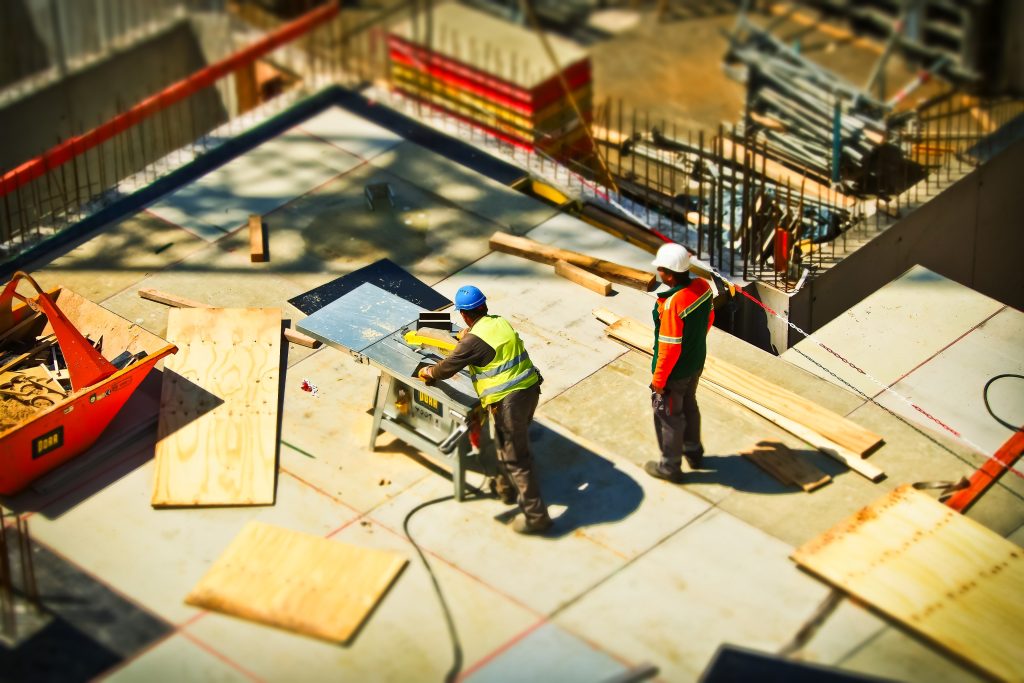
The Act is also known as the “BOCW Act”. It extends to the whole of India. The main aim of the Act is to check the working Conditions of the Workers.
Without proper safety regulations employees are prone to minor and major accidents on a regular basis because of the dangerous and dynamic environment of the construction industry.
The rate of fatal accidents in this industry is 4 to 5 times that of any other sector. It’s important that organizations take the issue of health and safety seriously and as part of this, they must ensure relevant and effective training provided to their workers.
This can lead to a huge loss in working hours and also mean that workers are unhappy within their job roles. There are some major reasons why health and safety is important in the workplace.
Construction site safety is an aspect of construction-related activities concerned with protecting construction site workers and others from death, injury, disease or other health-related risks.
Construction workers in India are prone to many kind of hazards such as hazard on field, on site, Health related issue due to fumes and weather conditions. Etc
It is duty of employer and government bodies to provide general awareness trainings to workers regarding the problems they might suffer or measures to prevent the hazards to happen around them.
Basic Construction Safety Training should be undertaken by individuals involved in various construction activities such as irrigation, electric lines, roads, pipelines, installation, repair, maintenance, and demolition to ensure a safe working environment.
The deliverables encompass general safety measures, personal hygiene training, awareness of welfare schemes and worker rights, industrial hygiene and safety, capacity building for senior staff, skills gap identification and training, hazard identification activities, machinery and equipment training, video sessions on toxic substance handling, skill assessments, personal hygiene guidelines, fire prevention and protection training, accident prevention strategies, proper usage and maintenance of safety equipment, and disaster management training.